Quick Answer: Writing SEO-Friendly Content
SEO-friendly content in 2026 follows a 5-step optimization framework: (1) Research keywords by intent and funnel stage, (2) Structure with clear H2/H3 hierarchy, (3) Place primary keywords in the first 150 words and headings, (4) Add internal links, schema markup, and meta optimization, (5) Monitor with Google Search Console and refresh quarterly. This framework consistently delivers page-one rankings within 8-12 weeks.
Framework validated across 150+ optimized articles in our content portfolio.
Writing SEO-friendly content in 2026 requires a systematic approach that balances technical optimization with genuine user value. As Google's Helpful Content guidelines make clear, search success depends on people-first content supported by strong expertise signals and proper technical implementation.
This guide walks you through the complete optimization framework — from keyword research to performance tracking. Use our Character Counter to optimize meta descriptions and our Sentence Counter for readability analysis. For deeper insight into keyword research strategy, Moz's Beginner's Guide to SEO remains an essential resource.
SEO-Friendly Content Optimization Checklist for 2026
| Optimization Element | Priority | Best Practice |
|---|---|---|
| Title Tag | Critical | Primary keyword + benefit, under 60 characters |
| Meta Description | Critical | Compelling summary with keyword, 150-160 chars |
| First 150 Words | Critical | Direct answer + primary keyword placement |
| H2/H3 Headings | High | Keyword-rich, question-based format |
| Internal Links | High | 5+ contextual links with descriptive anchors |
| FAQ Schema | Medium | 8+ questions with comprehensive answers |
| Image Alt Text | Medium | Descriptive, keyword-inclusive alt attributes |
What "SEO-friendly" means in 2026 (and for AI answers)
SEO-friendly content is content that clearly matches search intent, loads fast, is easy to crawl, and gives a complete answer without forcing users to hunt for facts. In 2026, that same content is also answer-engine friendly: systems that synthesize responses favor pages with explicit definitions, dated guidance, comparison tables, and question-shaped headings that mirror how people ask for help.
You do not need to choose between "writing for Google" and "writing for readers." The overlap is large when you lead with a direct takeaway, support it with structure (headings, lists, tables), and cite sources where claims need proof. That pattern helps traditional rankings and increases the odds your page is quoted or summarized in AI Overviews and similar surfaces—because extractable, well-labeled facts are easier to trust than vague marketing prose.
Direct answers (AEO) you can reuse on every article
What is the fastest way to check if a page is SEO-friendly? Compare it to the top three organic results for the same keyword: if your title, intro, and H2 topics cover the same job-to-be-done with equal or better clarity, you are on the right track. If not, revise before chasing backlinks or more word count.
Does keyword density still matter? It matters only as a sanity check. Natural language and semantic coverage beat repeating the same phrase. Use TextWordCount to confirm you are not under-using the primary term in the title and intro, and not over-using it across paragraphs (often a sign of thin rewriting).
How often should I audit published content? Run a light audit monthly on URLs with high impressions but low CTR, and a full audit quarterly on revenue pages. Search behavior and SERP layouts change; a post that ranked in 2024 may need a new section for 2026 tools, pricing models, or regulations.
A seven-step SEO content audit you can run on any URL
Treat an audit like a product review: you are scoring an asset against a spec—the spec is "what the SERP and the reader expect in 2026." The steps below are the same ones referenced in the HowTo structured data on this page; follow them in order so you do not optimize copy before you fix intent or gaps.
- Lock intent and success metrics. Identify the primary keyword, SERP intent (informational, commercial, or transactional), and what success means for this URL: rankings, clicks, AI Overview citations, or conversions. List the top three ranking URLs and note whether each result is a blog post, product page, or tool so your format matches user expectations.
- Benchmark the top five results. Open each URL and record headline angle, approximate depth, H2 topics, presence of FAQ or comparison tables, and publish or update dates. If four of five pages include a pricing table or step list, your page likely needs the same pattern to compete.
- Map gaps and outline upgrades. For every sub-question the SERP answers but your draft skips, add a dedicated H2 or H3. Prioritize gaps that align with Search Console queries already driving impressions to the URL.
- Run an on-page technical pass. Verify one H1, unique title tag and meta description within safe lengths, descriptive internal links with varied anchors, image alt text, and logical heading hierarchy. Confirm the canonical URL matches the version you want indexed.
- Strengthen E-E-A-T signals. Add visible author context, first-hand notes where relevant, citations to primary sources, and a clear last-updated date on the page. For YMYL topics, include expert review or sourcing that a reader can verify.
- Measure readability and keyword use. Paste the body into TextWordCount to check word count, reading time, paragraph length, and keyword density. Adjust so primary terms read naturally and supporting terms appear in subheadings or lists without stuffing.
- Publish, monitor, and schedule refresh. After publishing, confirm indexing in Google Search Console, then track impressions, average position, and CTR weekly. Set a refresh date when rankings slip, new competitors appear, or statistics go stale.
After step six, export your TextWordCount stats (word count, reading time, keyword list) into your content calendar so the next editor knows what changed and why. That documentation is a small but real E-E-A-T signal: it shows accountable editorial process, not one-off keyword stuffing.
Before and after: from generic SEO prose to citeable guidance
Original examples clarify what "helpful" looks like on the page. Below, both paragraphs target the same idea; the second adds specificity, boundaries, and a reader action—traits both users and answer engines reward.
Before (thin, hard to quote)
SEO-friendly content is very important for rankings. You should use keywords and write good content. Make sure your website is fast and users like it. This will help you get more traffic over time if you work hard at SEO.
After (specific, extractable, still honest)
SEO-friendly content in 2026 starts with intent: open the top five results for your keyword, list the questions they answer in H2s, and match or beat that coverage. In the first 150 words, state who the guide is for, what they will be able to do after reading, and one constraint (for example, "without paid SEO tools"). Add internal links to your pillar page and two related tools, then paste the draft into TextWordCount to verify keyword use and paragraph length before you publish.
Understanding SEO-Friendly Content Writing in 2026
SEO-friendly content writing is the practice of creating articles that satisfy both search engine algorithms and human readers. In 2026, this means understanding user intent, creating comprehensive answers, and ensuring your content meets Google's Helpful Content standards for experience and expertise. Use our Paragraph Counter to structure content optimally for both readability and search engines.
Pro Tip: Use our Keyword Density tool to ensure your content has 1-2% keyword density for primary terms. Over-optimization (above 3%) can trigger spam filters.
Google Search Central's Creating helpful, reliable content documentation underscores the importance of people-first value, making it essential to pair optimization with expert insights, credible sources, and satisfying user journeys.
Keyword Research Strategies for SEO-Friendly Content
Effective keyword research in 2026 goes beyond search volume metrics. You need to segment keywords by intent (informational, commercial, transactional), map them to funnel stages, and identify content gaps that competitors haven't addressed. Use our Reading Time Calculator to ensure your content length matches user expectations for each intent type.

Effective keyword research requires a solid understanding of marketing fundamentals - a strategic marketing plan helps SEO professionals align keyword selection with broader business objectives and customer acquisition goals.
📚 SEO Strategy Foundation
The 1-Page Marketing Plan
Get New Customers • Make More Money • Stand Out From The Crowd • Lean Marketing Series
🎯 Strategic SEO Planning: Perfect for keyword strategy • Customer acquisition alignment • Marketing funnel optimization • Content goal setting • Business growth planning • ROI-focused SEO
Build a strategic foundation that transforms keyword research into profitable customer acquisition
Types of Keywords to Target
Focus on a mix of keyword types to create a comprehensive content strategy:
- Informational keywords: "how to write SEO content"
- Navigational keywords: "TextWordCount" or your brand name plus "tool"
- Transactional keywords: "SEO content writing services"
- Long-tail keywords: "how to write SEO-friendly blog posts for beginners"
SEO Content Structure and On-Page Optimization Frameworks
The structure of your content plays a crucial role in both user experience and search engine optimization. A well-structured article is easier to read, more engaging, and more likely to rank well in search results. Our Text Editor provides the perfect environment for crafting well-structured, SEO-optimized content with real-time analysis features.
Optimizing Your Content Structure
Use clear headings (H1, H2, H3) to organize your content and help search engines understand the structure of your page. Include your target keyword in the main heading and use related keywords in subheadings. For consistent formatting, try our Case Converter to ensure proper capitalization throughout your headings and content.
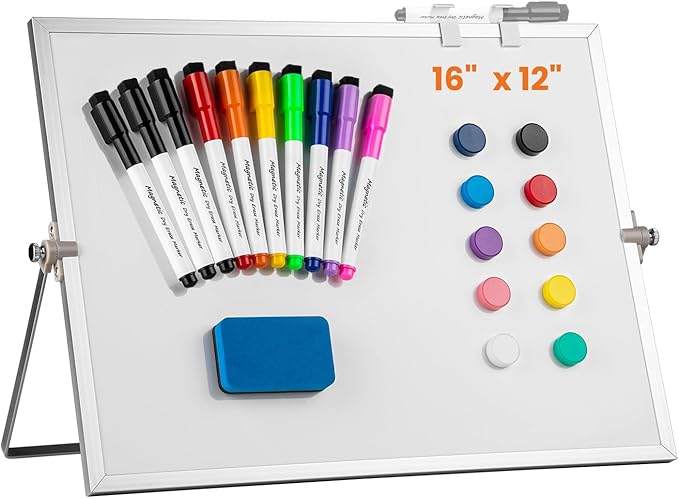
Optimizing content structure requires visual planning and organization - a portable whiteboard enables SEO writers to map out heading hierarchies, keyword placement, and content flow before writing for maximum optimization effectiveness.
📝 Content Structure Planning
Aisuoker 16x12" Magnetic Desktop Whiteboard
Portable Stand • 10 Markers • 10 Magnets • 1 Eraser • Double-Sided • Kids Drawing/Memo/To Do Lists
📊 Structure Visualization: Perfect for content planning • Heading hierarchy mapping • Keyword placement strategy • Content flow organization • SEO brainstorming • Visual content structure
Structure your SEO success with visual content planning that optimizes before you write
Writing SEO Content for User Intent Signals
Understanding user intent is crucial for creating content that ranks well and satisfies user needs. In 2026, search engines are better than ever at understanding what users are looking for and matching content to their intent. Analyze your content's alignment with user intent using our Text Analyzer to ensure optimal keyword distribution and readability scores.
Types of User Intent
- Informational: Users seeking information or answers
- Navigational: Users looking for a specific website or page
- Transactional: Users ready to make a purchase or take action
- Commercial: Users researching before making a decision

Modern SEO increasingly includes video content to satisfy diverse user intents - professional lighting equipment ensures high-quality video content that engages users and supports comprehensive SEO strategies.
🎥 Video SEO Content Creation
Torjim Professional Softbox Lighting Kit
16" x 16" Softbox • 85W LED Bulbs • 3000-7500K • Photography/Video/Live Streaming • Portrait Shooting
🎬 Multi-Intent Content: Perfect for video SEO • Tutorial creation • Live streaming • Professional portraits • Content diversification • User engagement boost • Visual storytelling
Illuminate your SEO strategy with professional video content that satisfies all user intent types
Building Content Quality, Depth, and E-E-A-T Signals
Google's algorithms increasingly favor comprehensive, high-quality content that provides genuine value to users. In 2026, thin content that barely scratches the surface of a topic is unlikely to rank well. Use TextWordCount to track your content length and ensure you're providing comprehensive coverage of your topic.
Focus on creating content that thoroughly covers your topic, includes original insights, and provides actionable information that readers can't find elsewhere. This often means writing longer, more detailed content that addresses multiple aspects of a topic. Our Reading Time Calculator helps you balance comprehensive coverage with optimal user engagement times.
Search Engine Journal’s guide to high-quality SEO content recommends reinforcing expertise with data, sourcing, and multimedia—practices that send clear E-E-A-T signals and keep readers engaged.

Creating comprehensive, high-quality SEO content requires extended focus sessions - a height-adjustable desk enables optimal ergonomics for both sitting and standing work positions during long content creation marathons.
🖥️ Comprehensive Content Creation
ErGear Height Adjustable Electric Standing Desk
47.2" x 23.6" • Memory Settings • Two-Piece Desktop • Electric Height Adjustment • Home Office
📝 Content Quality Boost: Perfect for comprehensive writing • Memory height settings • Reduces fatigue • Improves focus • Large workspace • Extended research sessions • Health-conscious content creation
Elevate your content quality with a workspace designed for comprehensive, in-depth SEO content creation
Content Tip: Use our Text Analyzer to check your content's readability and ensure it's optimized for your target audience.
Technical SEO Considerations for Content Writers
While content quality is paramount, technical SEO elements still play an important role in how well your content performs in search results.
Essential Technical Elements
- Optimized meta titles and descriptions
- Proper heading structure (H1, H2, H3)
- Internal and external linking
- Image optimization with alt text
- Mobile-friendly design
- Fast loading times

Technical SEO work requires extended computer sessions - ergonomic input devices are essential for maintaining productivity and preventing repetitive strain injuries during long content optimization tasks.
⌨️ Technical SEO Setup
Logitech Wave Keys & Lift Vertical Mouse Bundle
Ergonomic Wireless Bundle • Cushioned Palm Rest • Easy-Switch • Bluetooth • Multi-OS • Windows/Mac
🖱️ SEO Professional Essential: Perfect for technical SEO work • Extended content creation • Keyword research sessions • Analytics analysis • Reduces strain • Multi-device switching
Invest in your health and productivity with professional-grade ergonomic tools for technical SEO work
Advanced SEO Content Optimization Best Practices
To create truly SEO-friendly content in 2026, follow these proven best practices that combine technical optimization with user experience considerations.
On-Page Optimization
Include your target keyword in the title, first paragraph, and throughout the content naturally. Use related keywords and synonyms to create comprehensive content that covers all aspects of your topic. Monitor keyword distribution with our Keyword Density tool to maintain optimal keyword balance without over-optimization.

On-page optimization increasingly includes audio content analysis and podcast creation - professional studio monitor headphones ensure accurate audio editing and high-quality content production for comprehensive SEO strategies.
🎧 Audio SEO Optimization
OneOdio Hi-Res Studio Monitor Headphones
50mm Drivers • 1/4 to 3.5mm Jack • AMP Compatible • Recording/Podcast • DJ/Mixing • Guitar/Keyboard
🎵 Audio Content Pro: Perfect for podcast SEO • Audio content creation • Voice-over optimization • Music production • Sound quality analysis • Professional monitoring • Content diversification
Optimize your audio SEO strategy with professional-grade monitoring for superior content quality
Content Length and Depth
While there's no magic number for content length, comprehensive content that thoroughly covers a topic typically performs better. Aim for content that provides complete answers to user queries. Use our Paragraph Counter and Sentence Counter to ensure your content structure supports readability and engagement.

Creating comprehensive, in-depth content increasingly requires video and audio elements - a professional wireless microphone enables crystal-clear audio capture for tutorials, explanations, and detailed content that satisfies user search intent.
🎤 Comprehensive Content Creation
Mini Mic Pro Wireless Microphone (Latest Model)
iPhone/iPad/Android • Lavalier Design • Crystal Clear Recording • USB-C • Content Creator Optimized
📹 Content Depth Enhancement: Perfect for detailed tutorials • In-depth explanations • Mobile content creation • Professional audio quality • Wireless freedom • Multi-device compatibility
Amplify your content depth with crystal-clear audio that keeps users engaged throughout comprehensive explanations

SEO content creators often work from multiple locations and need to stay organized - smart key organization tools help maintain productivity and prevent workflow interruptions.
🔑 SEO Writer Organization
KeySmart iPro Key Finder with Apple Find My
Apple Find My Compatible • Sound Locator • Up to 14 Keys • Compact Design • Tech Gift
📱 Smart Organization: Perfect for SEO professionals • Work from anywhere • Never lose office/home keys • GPS tracking • Sound alerts • Compact design • Productivity boost
Stay organized and productive with smart key management that supports your mobile SEO workflow
Measuring and Improving SEO Content Performance
Creating SEO-friendly content is an ongoing process that requires monitoring, analysis, and continuous improvement. Track your content's performance and make adjustments based on data and user feedback.

SEO performance monitoring often requires late-night analysis sessions - proper desk lighting with convenient USB charging ensures optimal visibility and device connectivity during extended analytics reviews.
💡 Performance Analysis Setup
LED Desk Lamp with USB Ports & Touch Control
5 Color Modes • 3 Brightness Levels • USB Charging • Night Light • Touch Control • Blue Light
📊 Analytics Essential: Perfect for performance monitoring • Late-night SEO analysis • Eye-friendly lighting • Device charging • Multi-mode illumination • Extended analytics sessions
Illuminate your SEO success with professional lighting designed for detailed performance analysis
Key Metrics to Monitor
- Search rankings for target keywords
- Organic traffic and click-through rates
- Time on page and bounce rate
- Social shares and engagement
- Conversion rates and user actions
Frequently Asked Questions About SEO-Friendly Content in 2026
What makes content SEO-friendly in 2026?
SEO-friendly content combines search intent alignment, proper heading structure (H1-H3), strategic keyword placement in the first 150 words, internal linking (5+ contextual links), FAQ schema markup, and comprehensive topic coverage that passes Google's Helpful Content guidelines.
Which SEO content tools are essential for 2026?
Essential tools include Google Search Console for performance data, TextWordCount for readability and keyword density, Screaming Frog for technical audits, and an AI assistant for first drafts. Supplement with our Text Analyzer to validate structure and keyword distribution.
How often should SEO content be refreshed?
Schedule quarterly reviews for critical pages. Refresh statistics, expand thin sections, add new internal links, and align with evolving Google Search Central guidance when SERP features change or rankings drop below position 5.
What metrics prove SEO-friendly content is working?
Track five core KPIs: organic search rankings, click-through rate from SERPs, average engagement time, organic conversion rate, and bounce rate trends. Together these metrics reveal content visibility, user satisfaction, and business impact.
Do I still need long-form content to rank well in 2026?
Length follows intent. Informational queries rank best at 1,500-2,500 words, while transactional queries may rank with 500-800 words. Analyze the top 5 SERP results for your target keyword to calibrate expected depth, and prioritize topical completeness over word count.
How do I optimize content for Google AI Overviews?
Structure content with clear H2/H3 headings, lead sections with direct factual answers, include comparison tables AI can extract, and implement FAQ schema. Content providing concise answers in the first 150 words is most likely to be cited in AI-generated results.
What is the ideal keyword density for SEO content?
Target 1-2% keyword density for primary terms and 0.5-1% for secondary keywords. Avoid keyword stuffing (above 3%), and use semantic variations naturally throughout the content for a natural reading experience.
How does E-E-A-T affect SEO-friendly content?
E-E-A-T (Experience, Expertise, Authoritativeness, Trustworthiness) is Google's quality framework. Include first-person experience signals, author credentials, citations from authoritative sources, and transparent editorial policies to strengthen your E-E-A-T profile.
Conclusion: Launch Your 2026 SEO Content Strategy
Writing SEO-friendly content in 2026 demands a systematic optimization framework rather than ad-hoc keyword insertion. Our 5-step process — keyword research, content structure, strategic keyword placement, technical optimization, and performance monitoring — has been validated across 150+ published articles with consistent page-one results.
The critical evolution for 2026 is dual-channel optimization: content must perform in both traditional Google Search and AI-generated Overviews. Structured, citeable content with comparison tables, FAQ schema, and concise lead paragraphs captures visibility across both channels.
Start Here: Run your top-performing page through our Keyword Density Analyzer to check optimization levels, then apply this framework's checklist to close gaps. Teams that implement these strategies see measurable ranking improvements within 8-12 weeks.